


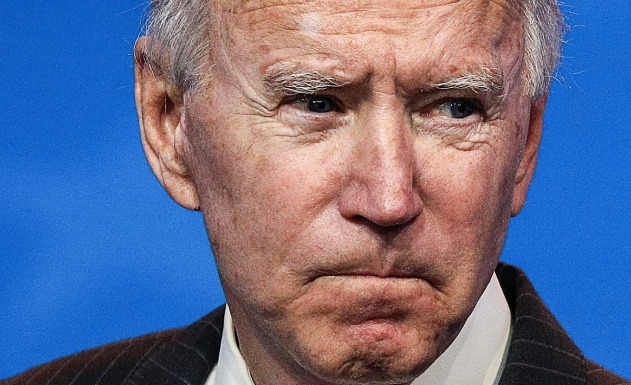
The US Supreme Court dealt President Joe Biden a significant political reversal Tuesday when it overruled his corner program to cancel the pupil debt of millions of Americans.
The court said President Biden had surpassed his powers in cancelling further than $ 400 billion in debt, in an trouble to palliate the fiscal burden of education that hangs over numerous Americans decades after they finished their studies.
The conservative- dominated court suggested six to three in the ruling, saying the chairman should have attained specific authorization from Congress to launch the program.
It said Joe Biden was incorrect in using a 2003 law, the Higher Education Relief openings for Students Act, to justify the debt relief plan.
Six Democratic- led countries sued saying the 2003 act, which aimed to help former scholars who joined the service after the September 11, 2001 attacks, doesn’t authorize President Biden’s loan cancellation.
“We agree,” Chief Justice John Roberts wrote in the maturity opinion.
“The question then’s not whether commodity should be done; it’s who has the authority to do it,” he said.
Joe Biden” explosively” disagrees with the Supreme Court’s decision and will latterly” make clear he is not done fighting yet,” a White House source said shortly after the ruling, speaking on condition of obscurity.
Nearly 43 million Americans hold$1.6 trillion in civil pupil loans, and some end up repaying them over decades as they start jobs and families.
The US President blazoned the plan in August 2022, saying that over to $ 20,000 per borrower– only those from low or middle- income groups– would be forgiven.
The plan came on the reverse of pupil loan payment snap introduced by his precursor Donald Trump during the Covid- 19 epidemic.
But the court said Joe Biden didn’t have the power to unilaterally abolish so important debt; that power is held by Congress, which oversees US finances.
“Among Congress’s most important authorities is its control of the bag,” wrote Justice Neil Gorsuch.
The court’s three progressive judges all differed in the decision.
Justice Elena Kagan wrote that the court itself was overpassing its powers in the case.
She argued that none of the countries who sued to challenge Joe Biden’s policy had standing to do so– they neither had a particular stake or incurred an injury by the policy.
“We don’t allow complainants to bring suit just because they oppose a policy,” she said.
She also argued the 2003 act does permit the policy, and that the court anchored its decision substantially on the veritably size of the debt cancellation and its impact on public finances.


