


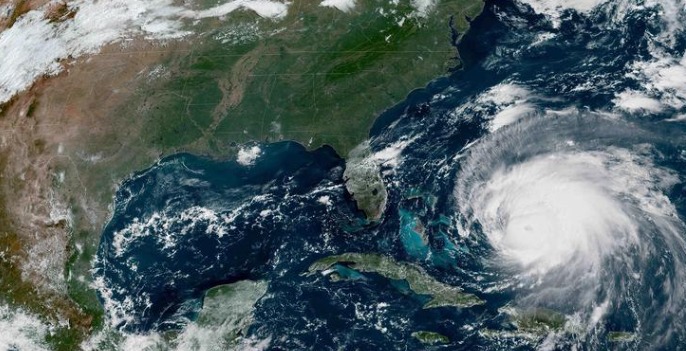
Canada: Canadians and Americans along the Atlantic coast are receiving urgent warnings to prepare as forecasters predict an above-normal hurricane season. The U.S. National Oceanic and Atmospheric Administration (NOAA) released its 2024 forecast on Thursday, indicating an 85 percent chance of an above-normal season. The forecast predicts 17-25 named storms, eight to 13 hurricanes, and four to seven major hurricanes.
“This season is looking to be an extraordinary one in a number of ways,” stated NOAA administrator Rick Spinrad during a press briefing.
Several factors contribute to this forecast, including rising ocean temperatures and the expected onset of La Niña. La Niña, characterized by cooler surface temperatures in the Pacific Ocean, is anticipated to influence weather patterns from August through the end of the hurricane season in October.
The warm ocean temperatures provide favorable conditions for storm development, with temperatures in hurricane-prone regions already higher than usual for this time of year. However, La Niña can also contribute to storm development by reducing high-altitude winds, known as wind shear, which typically weaken hurricanes.
The peak of hurricane season typically spans from mid-August to mid-October, with the official season beginning on June 1. The Canadian Hurricane Centre is also bracing for an active season, as approximately 35 percent of tropical storms typically affect Atlantic Canada.
Officials emphasize the importance of preparedness in the face of this forecasted activity. FEMA Deputy Administrator Erik Hooks highlighted the need for individuals to assess their specific risks and develop emergency plans accordingly. This includes considerations such as access to medication, medical devices, mobility issues, and developing evacuation plans.
Bob Robichaud, a meteorologist with the Canadian Hurricane Centre, echoed these sentiments, emphasizing the importance of self-sustainability and having emergency kits stocked with essential supplies. He cautioned that storms can bring multiple hazards, including coastal flooding, and stressed the importance of monitoring storm tracks for potential impacts.
In addition to weather-related hazards, officials also highlighted the dangers associated with improper use of power generators, urging individuals to follow safety guidelines to prevent accidents.
National Weather Service director Ken Graham emphasized the need for proactive preparedness, emphasizing that storms can rapidly intensify. “Preparedness is absolutely everything,” Graham stated, urging individuals to take action before the first storm forms.


