


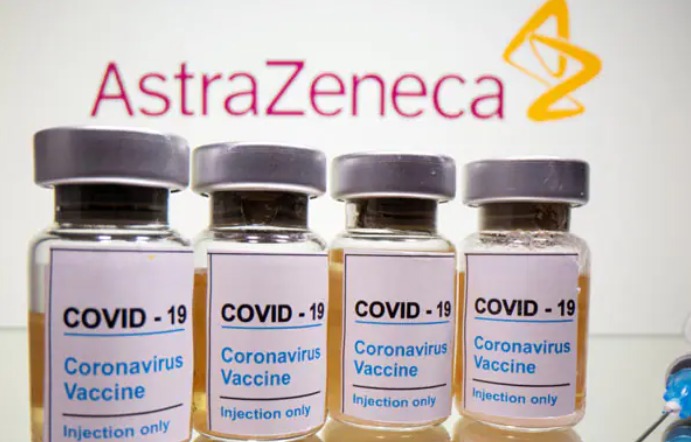
AstraZeneca, a prominent British pharmaceutical company, has acknowledged that its Covid-19 vaccine can lead to a rare side effect known as Thrombosis with Thrombocytopenia Syndrome (TTS). This acknowledgment comes in response to a lawsuit alleging severe harm and deaths associated with the vaccine.
Court documents reveal that Covishield, a vaccine developed by AstraZeneca and Oxford University and manufactured by the Serum Institute of India, may, in rare instances, trigger this condition. Covishield was widely administered across India during the Covid-19 pandemic.
Thrombosis with Thrombocytopenia Syndrome (TTS) is an uncommon condition characterized by the formation of blood clots in unusual locations in the body, coupled with a decrease in the number of platelets in the blood. Platelets are crucial for blood clotting, so a deficiency in them can pose significant risks. TTS has been observed in individuals who received adenoviral vector COVID-19 vaccines, including Vaxzevria, Covishield (AstraZeneca), and the Johnson & Johnson/Janssen COVID-19 vaccine. The immune system’s response to the vaccine appears to trigger TTS by producing antibodies that attack a protein involved in blood clotting.
TTS is categorized into two tiers by the CDC:
Tier 1:
- Rare blood clots, such as those occurring in the brain or gut, sometimes accompanied by more typical clots in the legs or lungs.
- Low platelet count (below 150,000 per microliter).
- Positive anti-PF4 ELISA tests may aid in diagnosis but are not always required.
- Tier 1 cases are typically more severe and pose greater risks, and they are more prevalent among younger individuals.
Tier 2:
- Common blood clots, such as those found in the legs or lungs.
- Low platelet count (below 150,000 per microliter).
- A positive anti-PF4 ELISA test is essential for diagnosis.
Symptoms of TTS can manifest as severe headaches, abdominal pain, leg swelling, difficulty breathing, and cognitive impairment or seizures. Individuals experiencing these symptoms after receiving a vaccine should promptly seek medical attention.


