


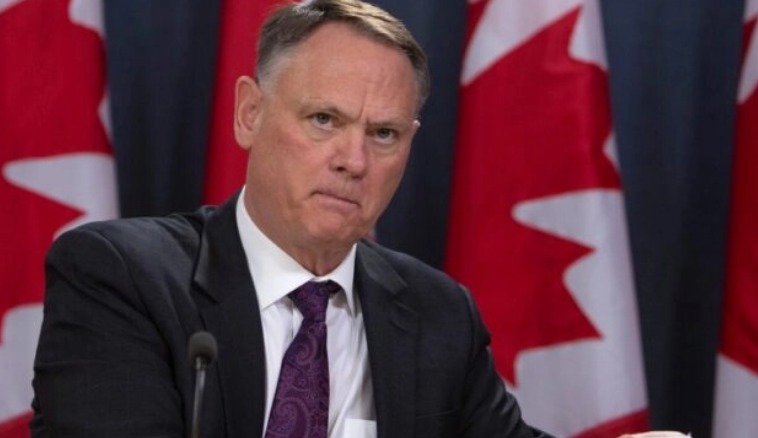
Canada: A report by the National Security and Intelligence Committee of Parliamentarians (NSICOP), released on June 3, reveals disturbing intelligence indicating that certain Canadian MPs and Senators are knowingly or semi-knowingly involved in foreign interference efforts. The report points to these individuals as “witting” or “semi-witting” participants in activities orchestrated by foreign states to meddle in Canadian politics.
The report highlights several methods through which foreign interference is carried out:
- Frequent Communication with Foreign Missions: Some parliamentarians maintain regular contact with foreign diplomatic missions before or during elections to garner support from community groups or businesses. These diplomatic missions often promise to mobilize such support discreetly in favor of the candidate.
- Acceptance of Foreign Funds: Certain MPs and Senators accept funding from foreign diplomatic posts or their proxies, either knowingly or through willful blindness.
- Sharing Confidential Information: Some parliamentarians provide foreign officials with confidential information about their colleagues. This information is used by foreign officials to pressure these colleagues into changing their positions.
- Influencing Colleagues: Compromised parliamentarians may attempt to influence their colleagues’ decisions at the behest of foreign officials, and they might provide sensitive information to foreign intelligence officers.
The report, submitted to Prime Minister Justin Trudeau on March 22 before its public release, does not name the implicated MPs or Senators. However, it details that in some instances, these politicians begin assisting foreign state actors soon after being elected, sometimes without initially realizing they are targets of foreign interference.
Despite the severity of some of these activities, the report suggests that criminal charges are unlikely. This is attributed to Canada’s inadequate handling of protecting classified information and methods in judicial processes. The report emphasizes the need for stronger measures to address and mitigate foreign interference.
Prime Minister Trudeau tasked the NSICOP with investigating foreign interference following media reports of China’s extensive meddling in Canadian elections and other societal areas. The report criticizes the government’s slow response to these known threats, highlighting the long-term consequences such inaction could have on Canada’s democratic integrity and public trust.
The report also brings to light China’s operation of secret police stations on Canadian soil without permission. These stations collect intelligence and monitor diaspora members, contributing to what the report terms “transnational repression.” Such activities involve exerting control over ethnocultural communities to maintain power and control narratives about their domestic regimes.
The NSICOP report urges the government to act swiftly to counter foreign interference, suggesting several measures:
- Enhanced Legislative Tools: Enact new laws to strengthen Canada’s defenses against foreign interference.
- Briefing Parliamentarians: Educate MPs and Senators about the threats posed by foreign interference.
- Establishing a Foreign Agent Registry: Create a registry to track foreign agents operating in Canada, as proposed in Bill C-70.
Minister of Public Safety Dominic LeBlanc acknowledged the report and indicated that the government would consider its recommendations. However, he disagreed with some findings, particularly regarding the interpretation of intelligence reports and the extent of outreach to inform parliamentarians about foreign interference threats. LeBlanc highlighted the introduction of Bill C-70, which includes creating a foreign agent registry and empowering the Canadian Security Intelligence Service (CSIS) to brief non-federal entities on such threats.
The NSICOP report underscores a critical national security issue, revealing that foreign interference in Canadian politics is more pervasive than previously acknowledged. The involvement of some parliamentarians as witting or semi-witting participants in these activities poses a serious threat to the integrity of Canada’s democratic institutions. The government’s response, including legislative measures and increased awareness efforts, will be crucial in addressing and mitigating these threats.


